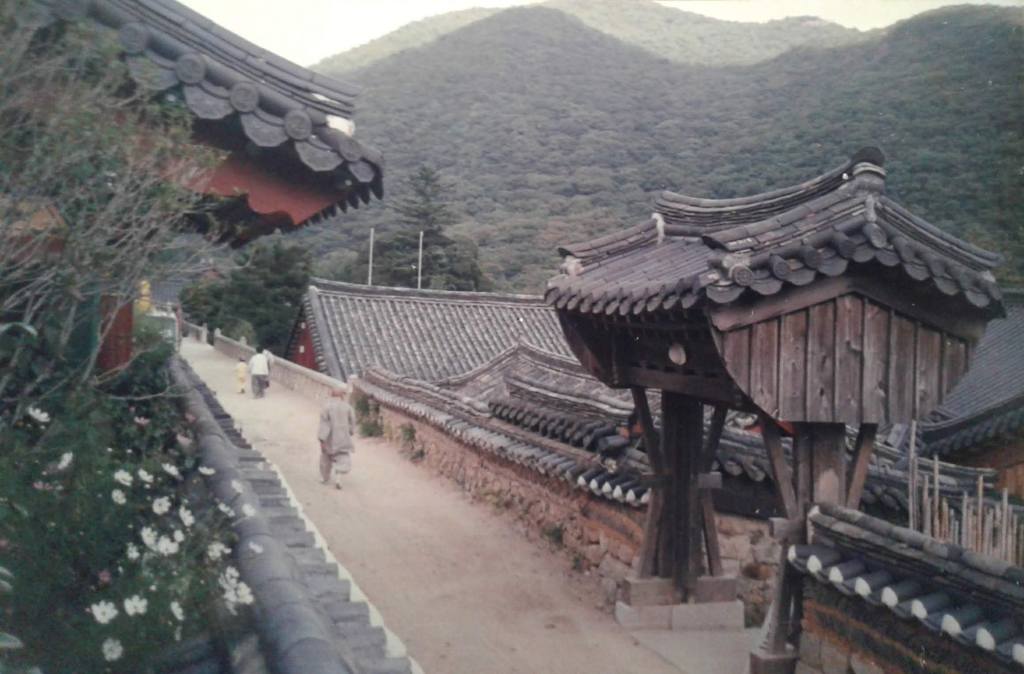
(Photo:JCorvec)
Age…
I’ll never forget how every one of my Korean students(mostly male adults) asked me, “How old are you?” before they said anything else. I wish they had known that in my society, no one was supposed to ask a woman that, so it was strange. I was always taken aback every time. After a few months, I came to realise that Korean people address a person differently depending on if the person is older or younger than they are. Korean people use more formal language when they are speaking to an older person. And their bows to someone else are different if the person being bowed to is younger or older. No one was bowing to me or speaking Korean to me, but I think it was all so entrenched in their manner of acting that they wanted to know my age.
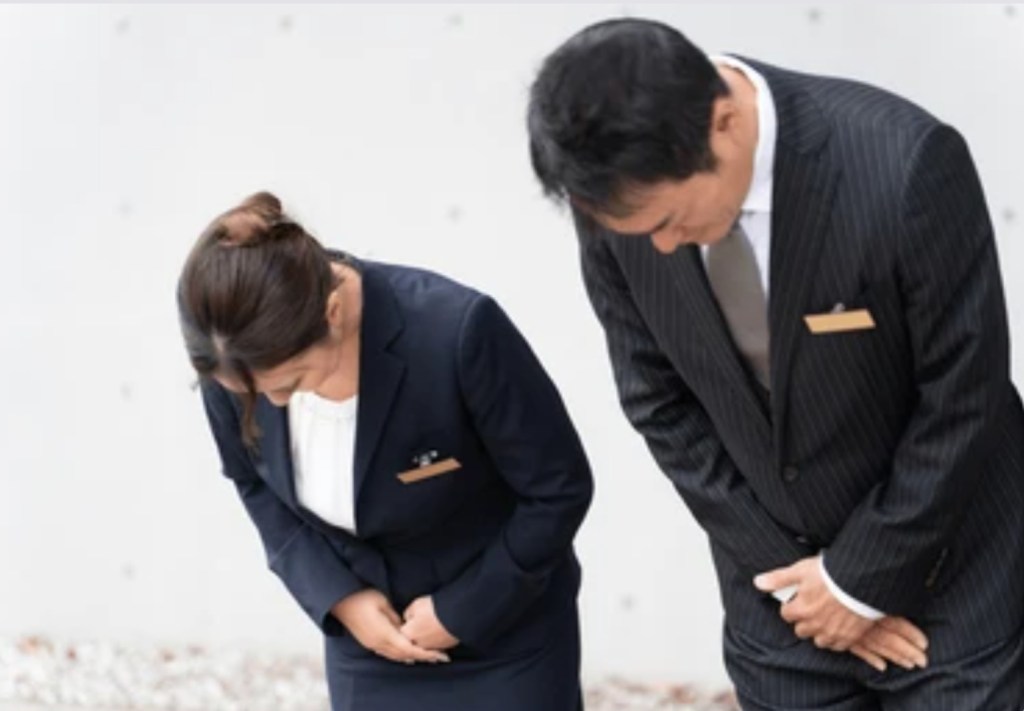
(StockPhoto:Shuttershock)
It was known when I lived in Seoul that a newborn baby could already be 2 years old. There was a “Korean age” and a Western age. In the Korean age, the 9-month gestation period of the baby after conception was included in the baby’s age. And the baby could be considered to be older, depending on the birth month. So, my friend SangHyun said he was 33 years old but he was 31 years old in the West.
When I lived in Seoul, it was customary to celebrate everybody’s 2nd and 60th birthdays as big successes and actual landmarks. For hundreds of years many people didn’t live past these ages but the situation had changed by the late 90’s. They still hung onto these birthday traditions back then.
Even age and time as I knew them weren’t the same in Korea. There was no daylight savings time. And I was sometimes aware of the actual Chinese calendar, where the New Year had different dates each year and January 1st was not significant at all.
Treats and Spam….
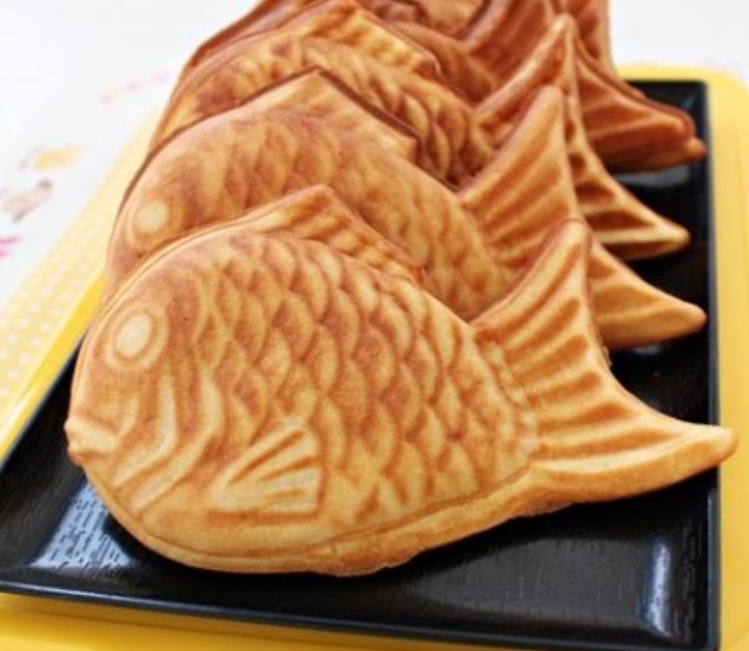
You can get pastries in Canada now in Korean shops. Some are walnut-shaped and many are filled with custard or whipped creme. When I lived in Seoul, things were different. The Korean people made “bungoppang” and sold them as street food. They were similar to waffles, shaped like fish and they were filled with red-bean paste. I called them bungobang. I haven’t found Korean pastries like them since I left Korea. A Korean man always stood behind a large, barrel-shaped “waffle press”, cooking and selling the bungobang.
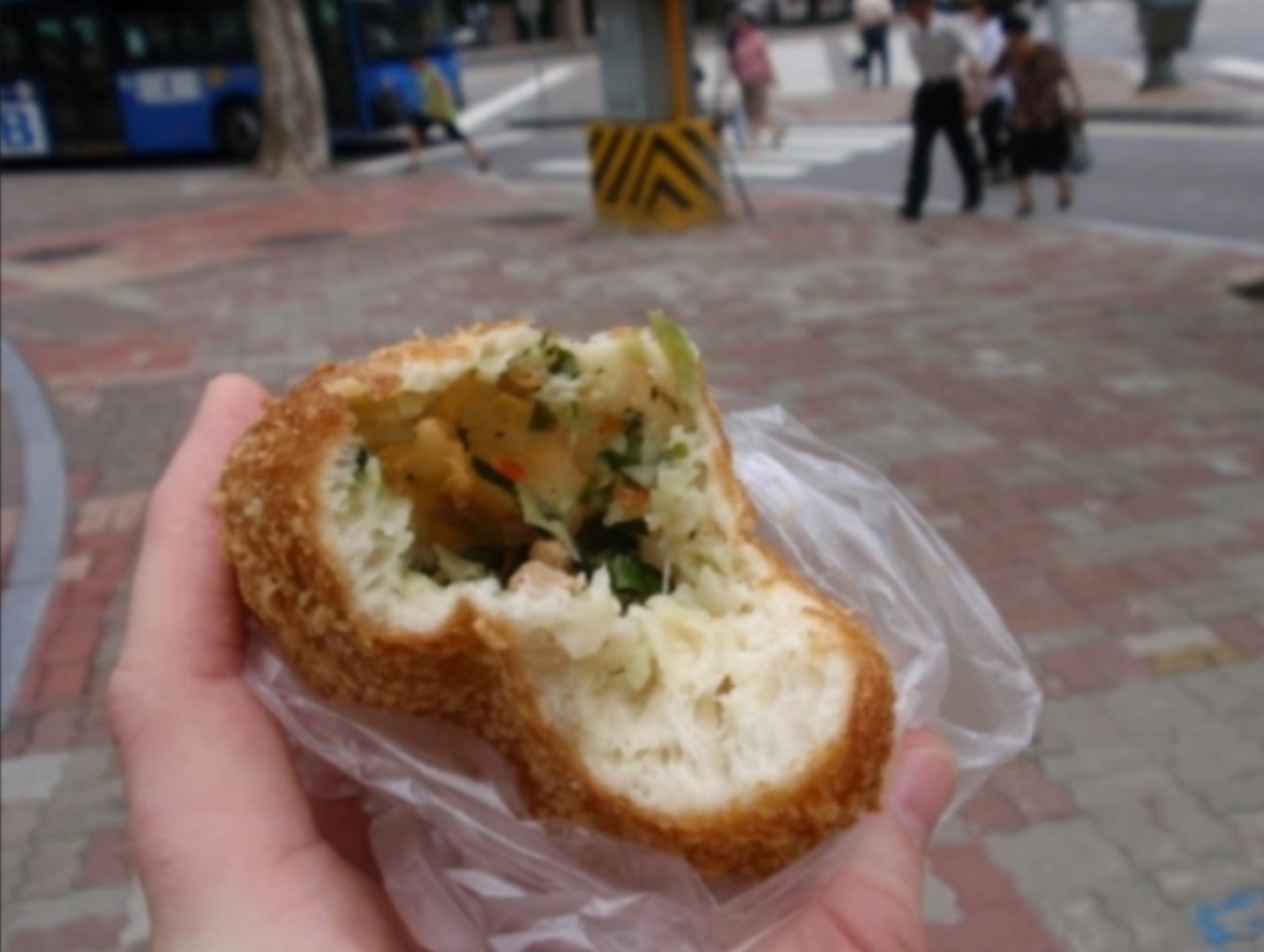
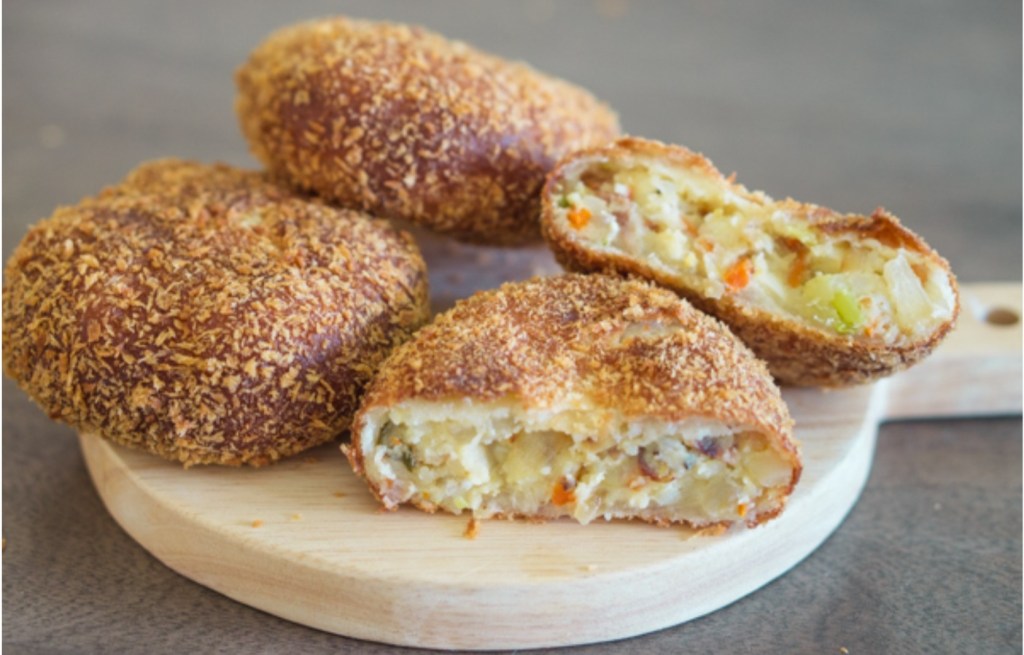
One time, one of my students gave me a round bakery treat called a “korokke”. It was like a pocket and was filled with what seemed to be stewed vegetables. Korokke were very good, with a rich, almost buttery taste, and I used to buy one sometimes after I first tried them. It’s funny that they were bakery items, because they weren’t sweet at all, but back then, to give you an example of what Seoul was like, bakeries in Korea always had items with a bit of bland whipped cream instead of any icing. Cheesecake in Japan and Korea in the late 1990’s was a plain white cake that perhaps had a bit of cheese in it(?), perhaps.
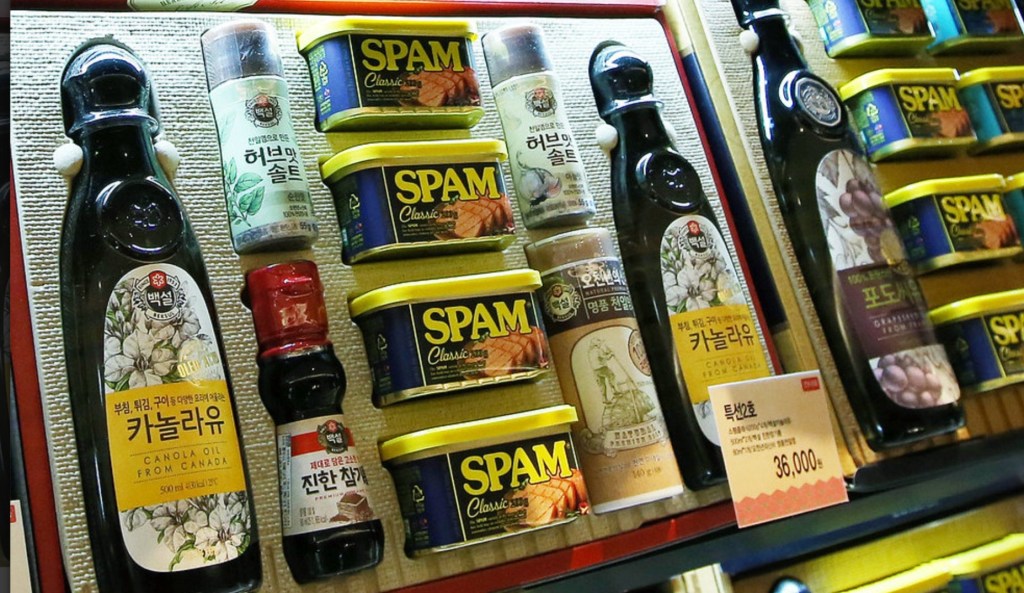
Some other Korean customs came from the influence of foreign countries, like their korroke. I saw advertisements for Spam gift boxes before the Chuseok and Solnal holidays. I wondered why, as Spam seemed to be out of place in Korea. It’s because the U.S. army soldiers had cans of Spam during the Korean War and sometimes they gave some of it to the Korean people. I always imagine soldiers giving some to children. So, Koreans use it as a sort of comfort food. It’s unreal to me how America is almost worshipped by South Korea, but the US was their saviour, in their minds. I imagine many people were starving and some Spam saved them. Now, they even make a famous, cheap stew with Spam too.
Cicadas…
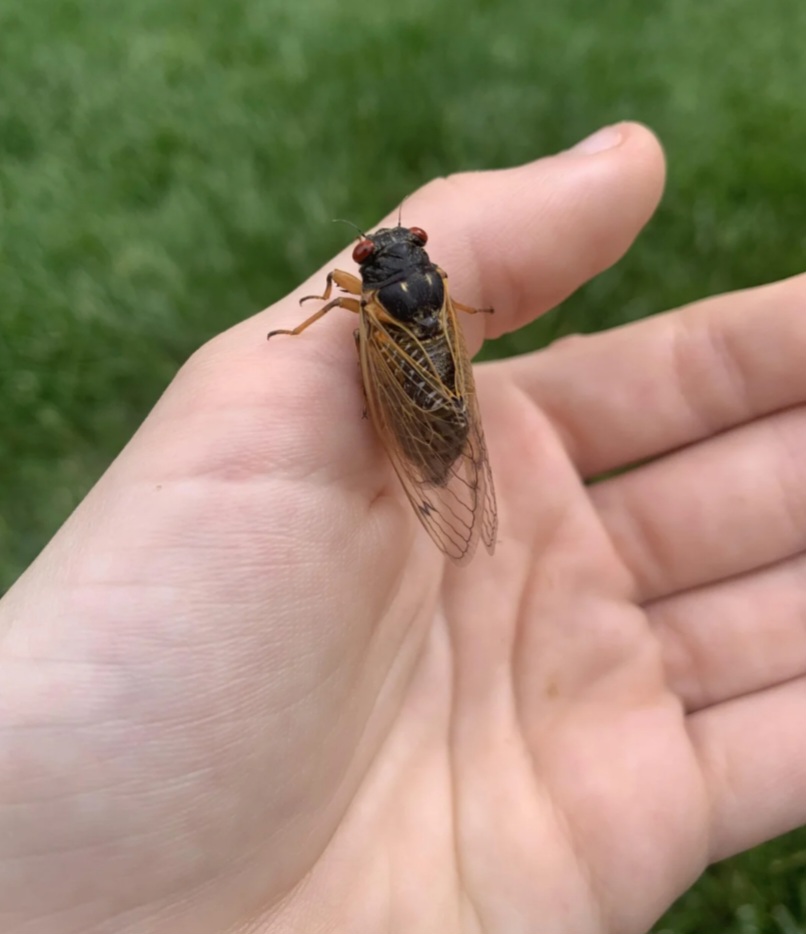
A fellow Canadian teacher who had been in Seoul longer than me described the cicada situation to me. She had spent the last summer teaching and she said the cicadas outside the school made so much noise that she could hardly think. I’m afraid of large insects. Koreans call them “maemi”.
Good Luck Charms :
Fish hanging above Doorways…
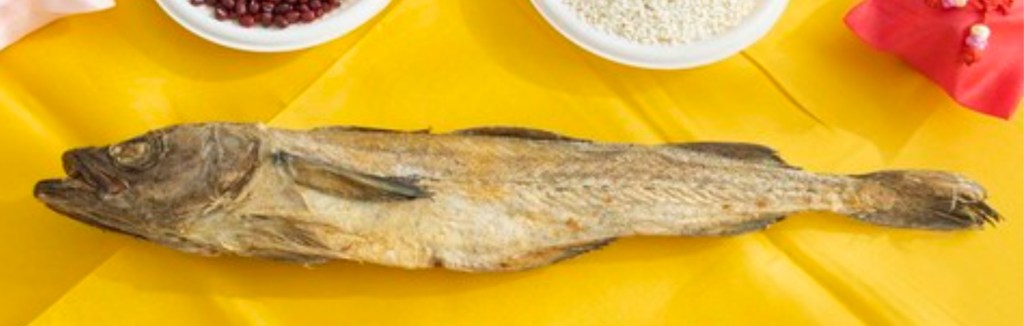
In 1997, some things were still old fashioned in Korea. Sometimes, I came across dried fish hanging above a doorway in a small restaurant. My Korean friend, SangHyun, had one of them above a door in his apartment. He said his Buddhist mother insisted that he put it there for good luck or for safety.
Car Beads, Magpies…
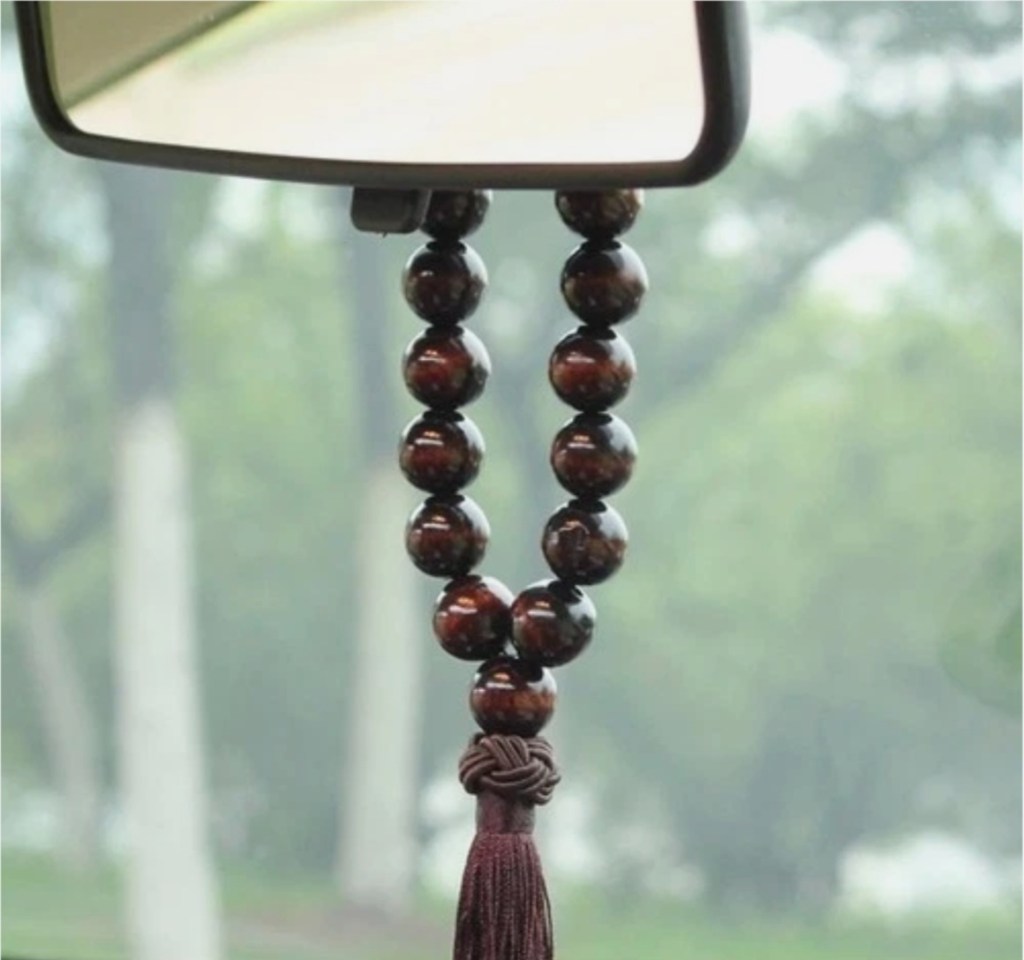
I discovered in the late 90’s that Koreans used certain items to bring them good luck or to ward off bad luck. Buddhist beads hung from many rear-view mirrors of my students’ cars. They told me the beads would hopefully prevent a car accident. There was a saying in Korea that if a store owner saw a magpie early in the morning, many customers would come to the store that day and so magpies were a sign of luck.
Roasted chestnuts…
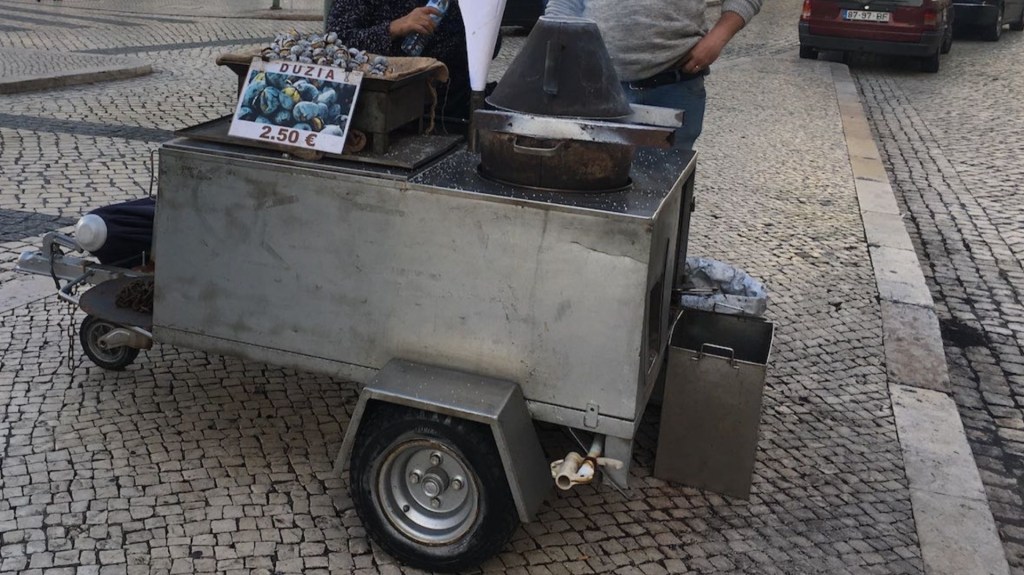
One time in January of 1998 I saw an elderly man selling roasted chestnuts in a parking lot. He had a small, plain-looking cart.
(Stock photo)
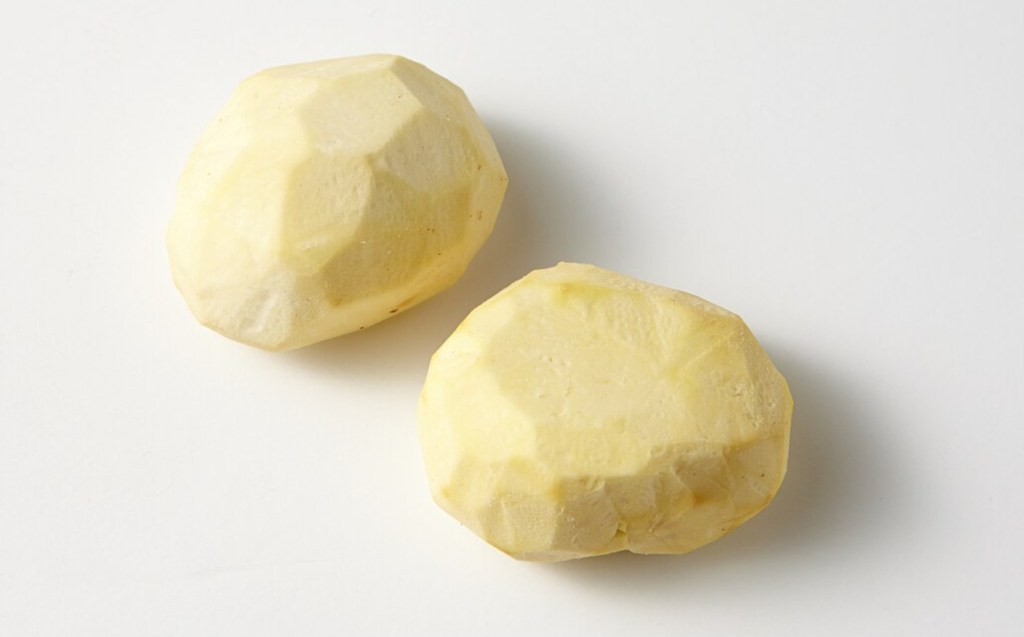
Many chestnuts in the world aren’t edible. I don’t think Atlantic Canadian ones are, as I’ve never heard of people in my province roasting them. I saw many food trays at Chuseok and New Year with stacks of peeled chestnuts arranged on them for celebrations and to give as offerings to dead relatives. I ate a few of these and the taste was light and the nuts weren’t hard to chew. I still don’t know if the ones I ate were raw or roasted!
Thatched-Roof Houses…
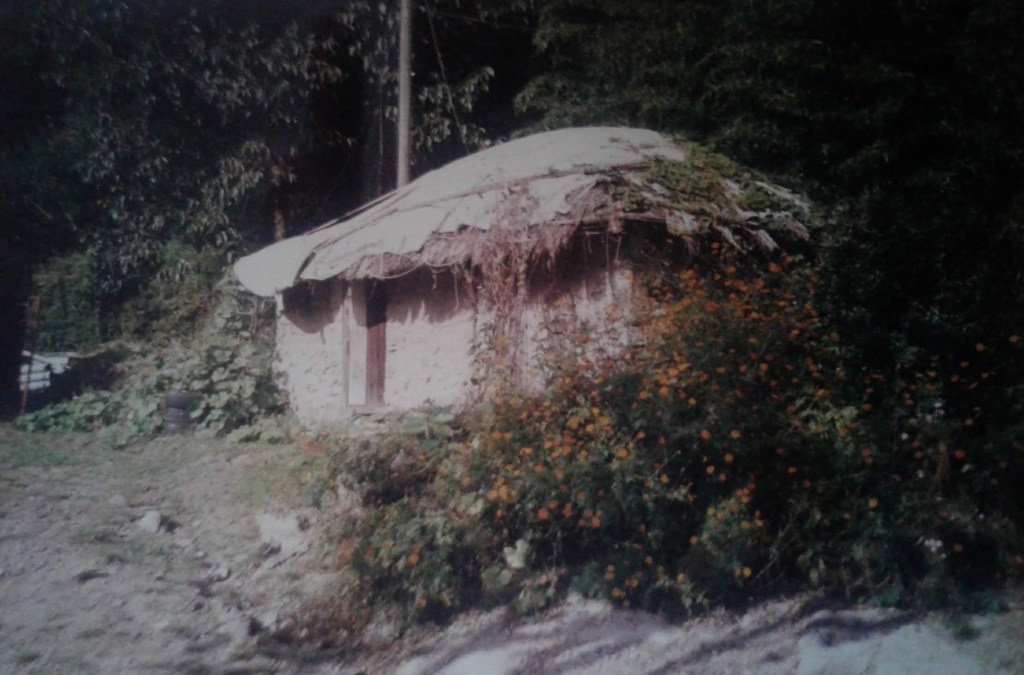
The grass-roof-houses that were alll over Korea in the 60’s and 70’s have all been removed because one of their past presidents who is/was considered to be a dictator made the people replace old structures throughout the country with more modern ones. He (Park ChungHee) did a lot economically for South Korea but I don’t believe it was good for people to get rid of all of the grass roofs. I like to see actual old buildings and real historical sights when I visit a place.
(Photo:JCorvec)


 My Memories of Seoul
Leave a comment