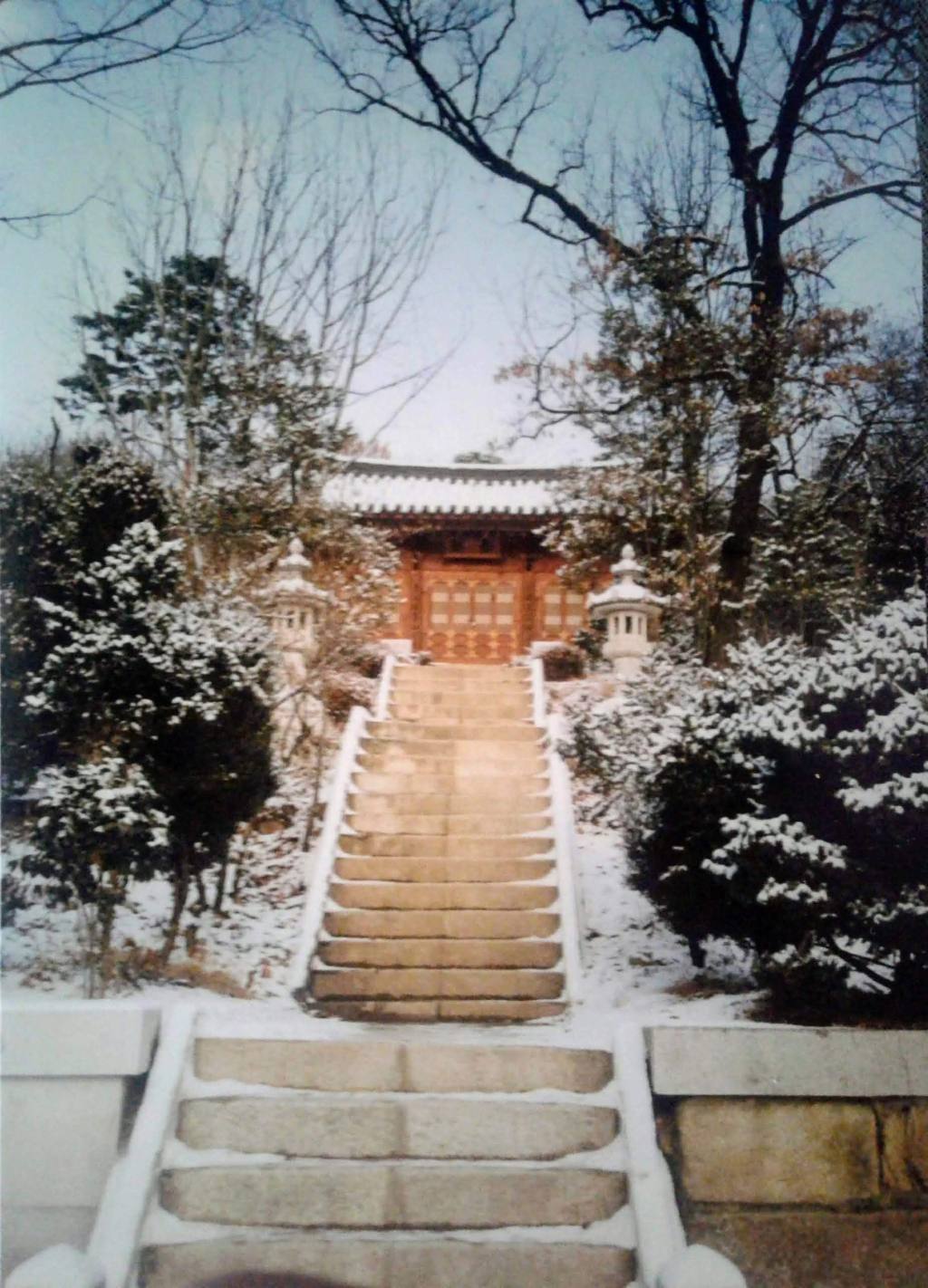
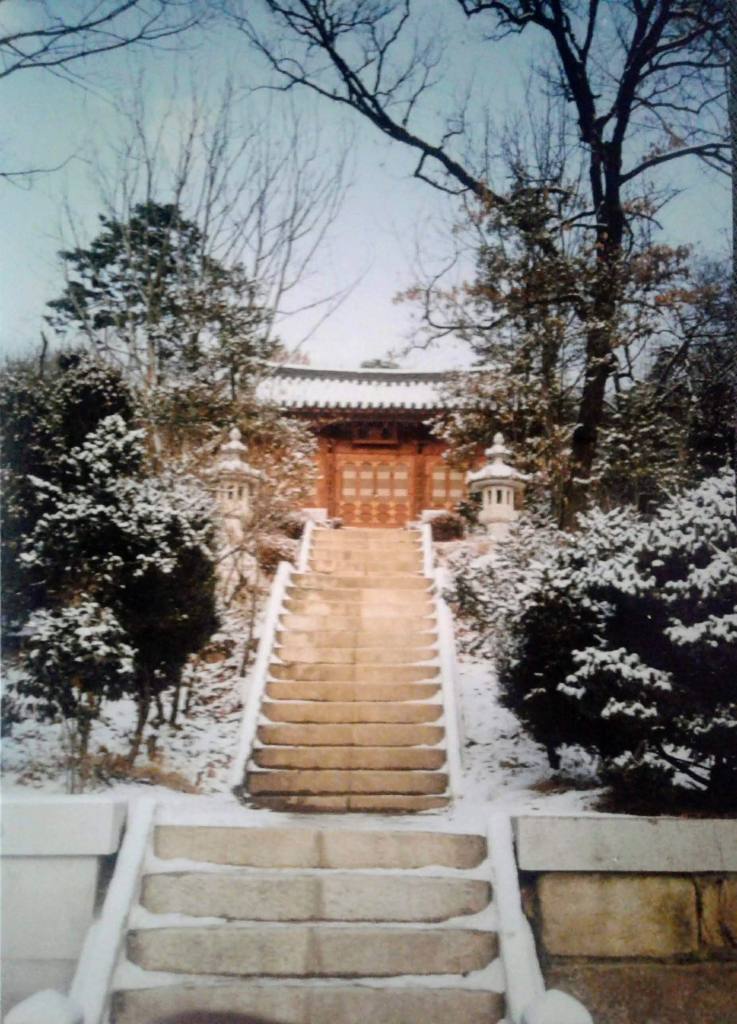
1997. This place inside the temple is gone now.
(Photo:JCorvec)
There was no social media back then. On the subway, many young Korean people were looking at cellphones but we didn’t have cellphones in Canada at all.
Every Sunday night, I went across the road to the apartment complex next door and called my mother and then my husband from a payphone to tell them I was okay.
Any mail took at least 2 weeks to arrrive from Canada! The letters I wrote(on paper) were not received instantly by my relatives at home. Parcels took much longer than 2 weeks to go from my hometown to Seoul. My papers from when I was securing my teaching position traveled for over a month before they reached my boss.
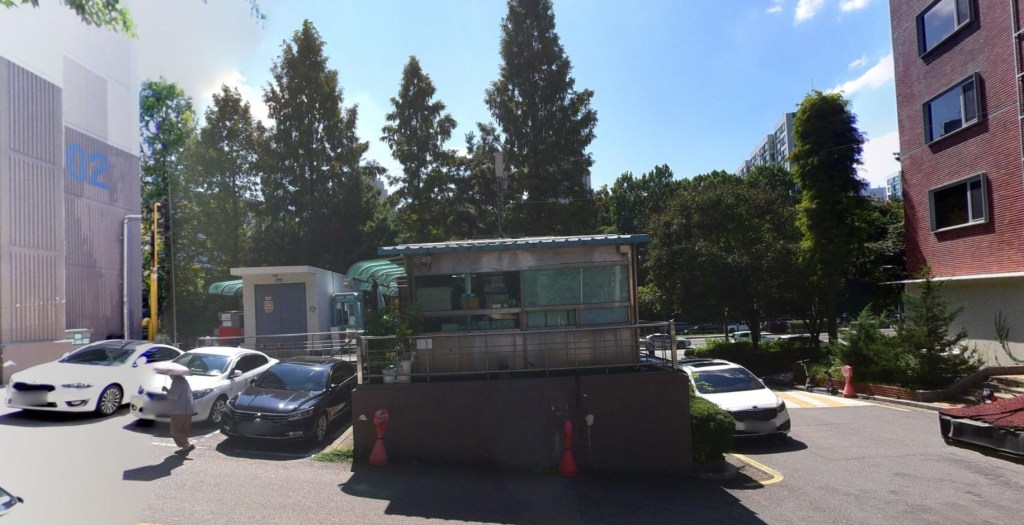
One time, a Korean man told me there was a W70 000 fine for throwing your cigarette butt on the ground. He told me this because I had thrown mine on the sidewalk in front of a policeman. The extremely young-looking policeman looked but didn’t do anything, probably because I was foreign and his English was poor. After I told this to a student at my institute, he went away for a minute and when he came back, he gave me this item:
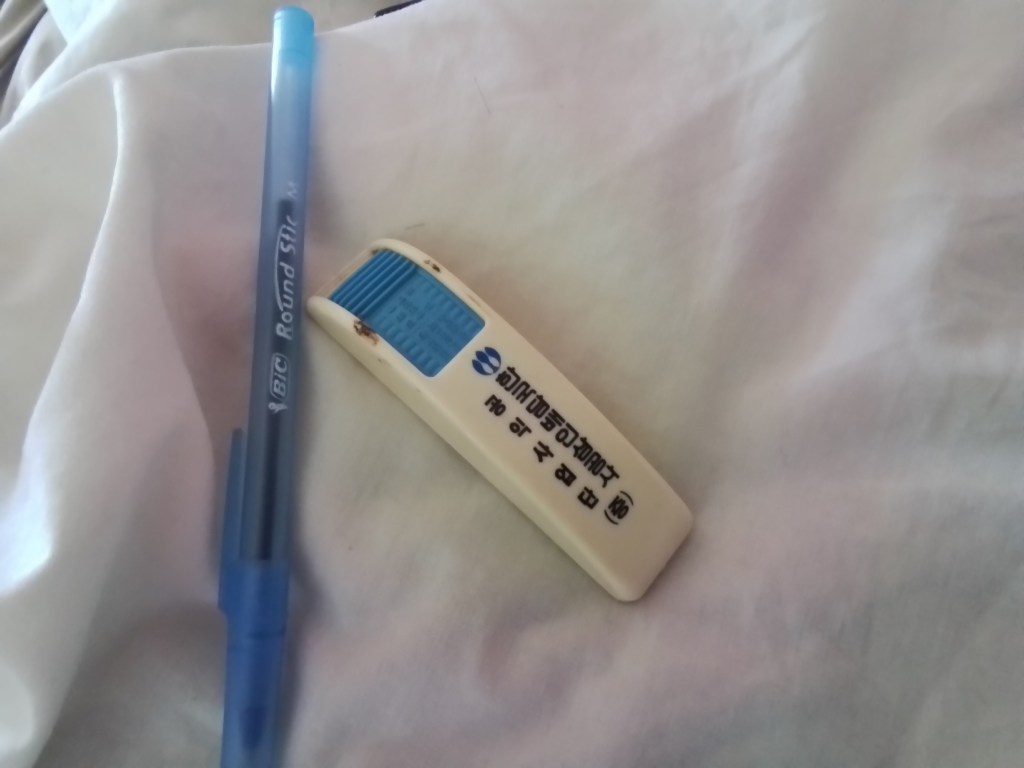
I had never heard of such a thing. A small, hard, (seemingly)plastic container to put your cigarette butts in so you could carry them on your person and then empty them into the correct garbage container when you got home.
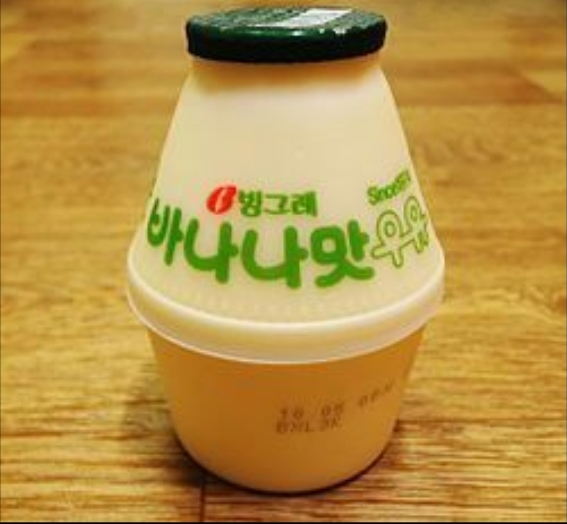
In convenience stores, you could buy a little bottle of banana-flavoured milk. I loved it. In Canada, we didn’t have any.
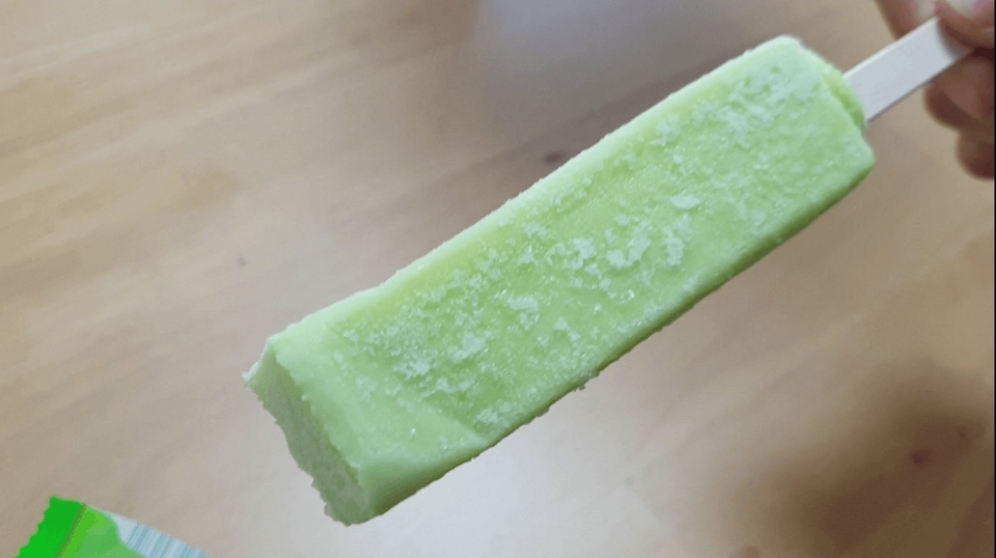
And a frozen treat that I found in convenience stores called Melona was very innovative, with a unique texture and taste. It was so smooth and firm at the same time. I once thought a reddish-coloured ice cream novelty was strawberry, but I was upset to discover it was red bean, which was a popular in desserts in Korea at that time. Not many things over there were sweet.
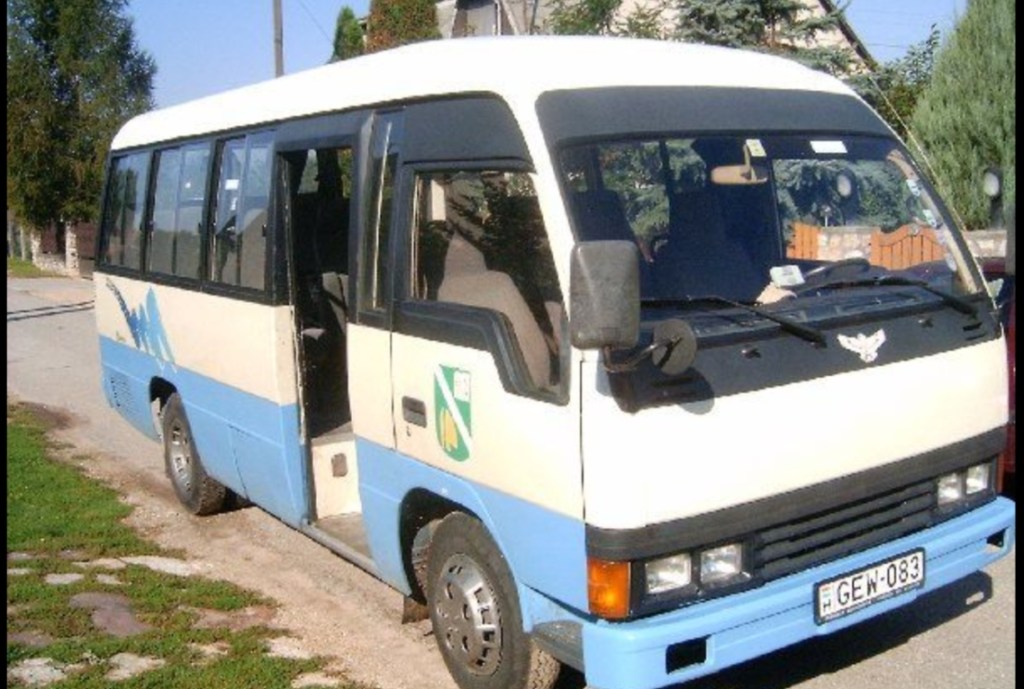
Everything in Korea was made for smaller, shorter people than what I was accustomed to. It wasn’t only shoes and clothing that were problematic. One time, I had to go to a certain event, and I had to suddenly get on a mini-bus as part of the transportation. I was surprised. The Korean people could fit inside it easily, but I am tall with a large build, so I found that riding this bus was difficult and stressful. I was wondering while I was on the minibus if I’d be able to get off safely. And Korean people didn’t want to have to wait either, so I had to be quick.
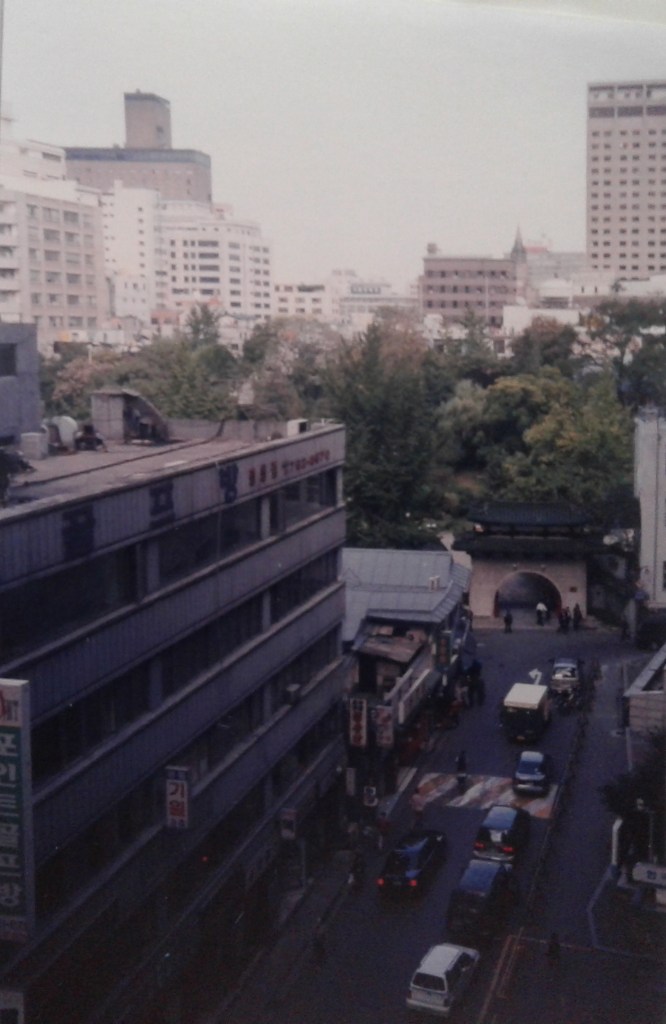
This area was behind the Central Post Office. We had stopped in here to buy stamps for our collections. It was a huge building and of course all of the signs were in Korean so we had to choose packages and pay the stern-looking, uniformed man. Government offices all had strict, authoritarian men in charge.
In the photo below, an old gate is outside of a Chinese Elementary school. Today, a Chinese school is still there but the gate is new. The Chinese Embasssy is adjacent to the school.
(Photo:JCorvec)
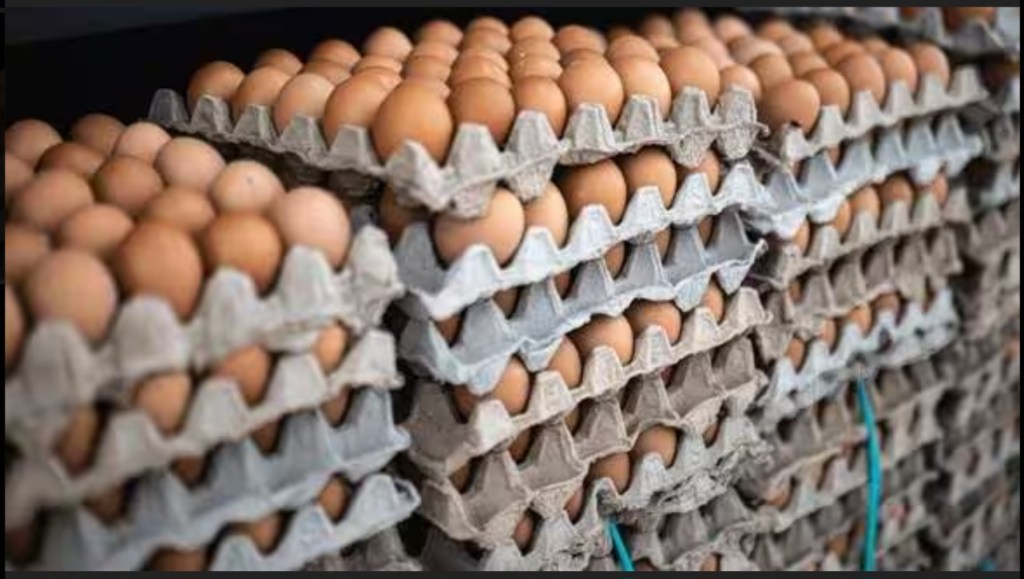
Unrefrigerated Eggs…
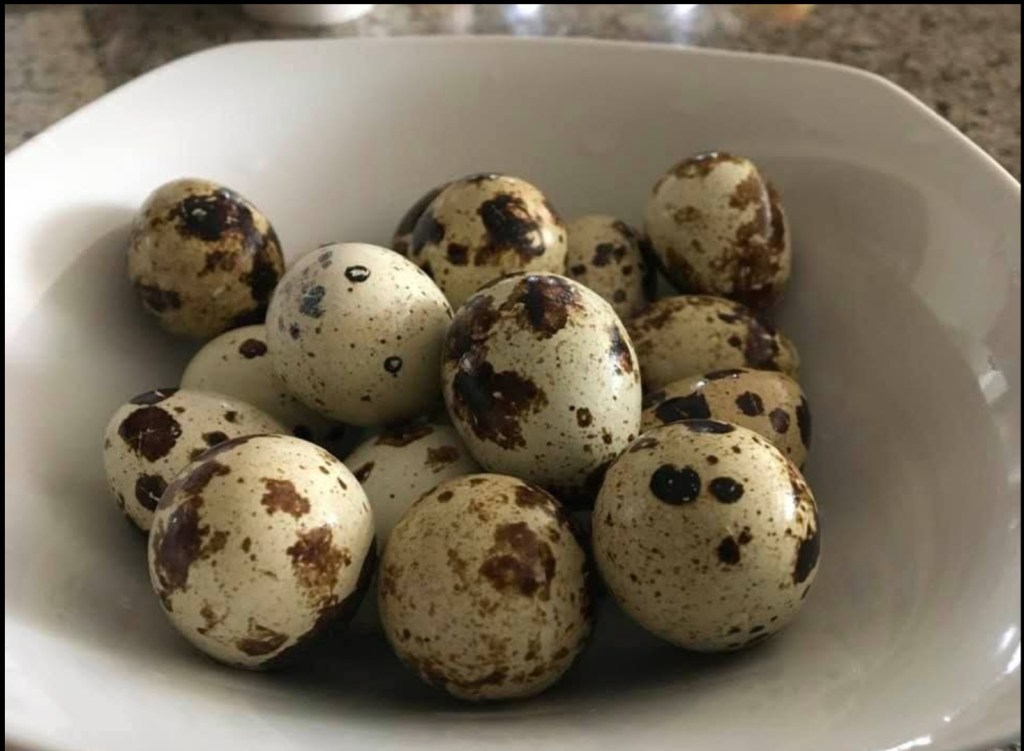
Whenever I saw eggs for sale in Seoul, they were stacked in flat crates on the floor at room temperature. Some were even sitting outside on the street. I found out years later that if eggs are washed, they have to be refrigerated in order to avoid salmonella. In Canada, eggs were always refrigerated so I was shocked when I saw an unrefrigerated crate of them for sale in stores. There were many little, speckled quails’ eggs too. Quails eggs tasted like chickens’ eggs.
Jujubes…
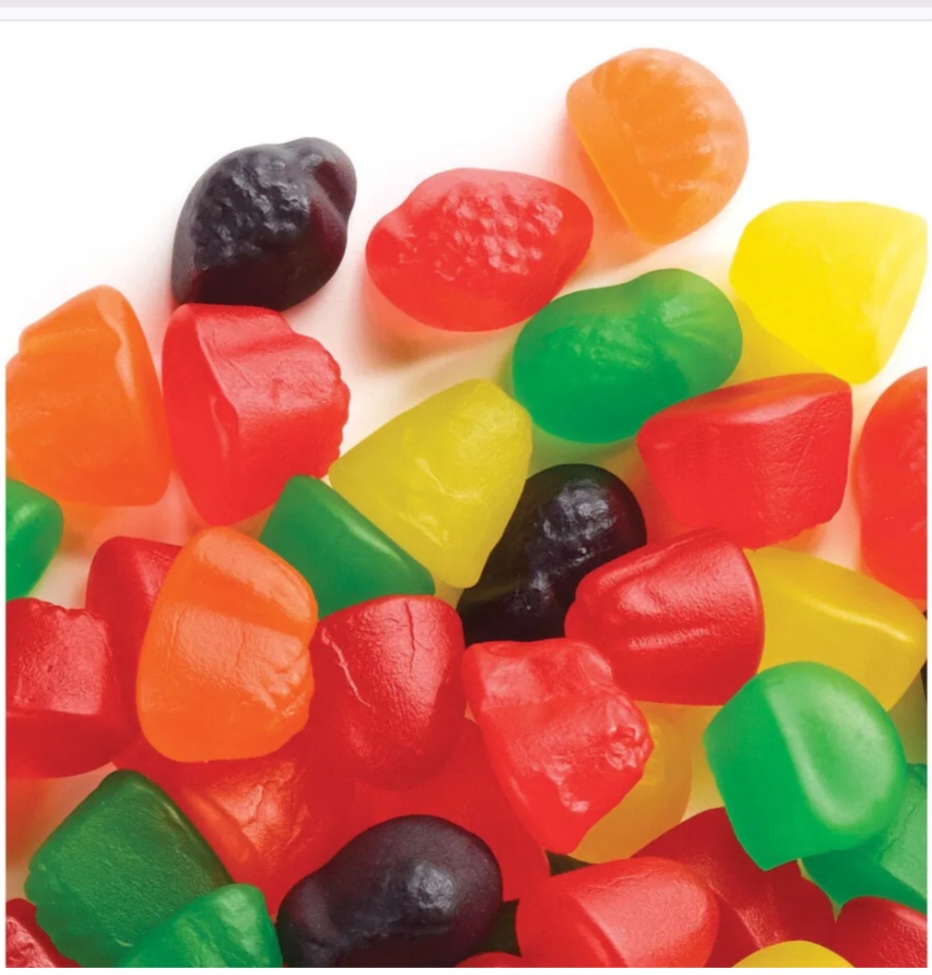
At Olympic Park, in September, I saw a big tree with small reddish-coloured fruit on it at the edge of the lake. People told me it was a jujube tree. These were also called Korean dates. I had never heard of them except that in Canada we have chewy candies called jujubes.
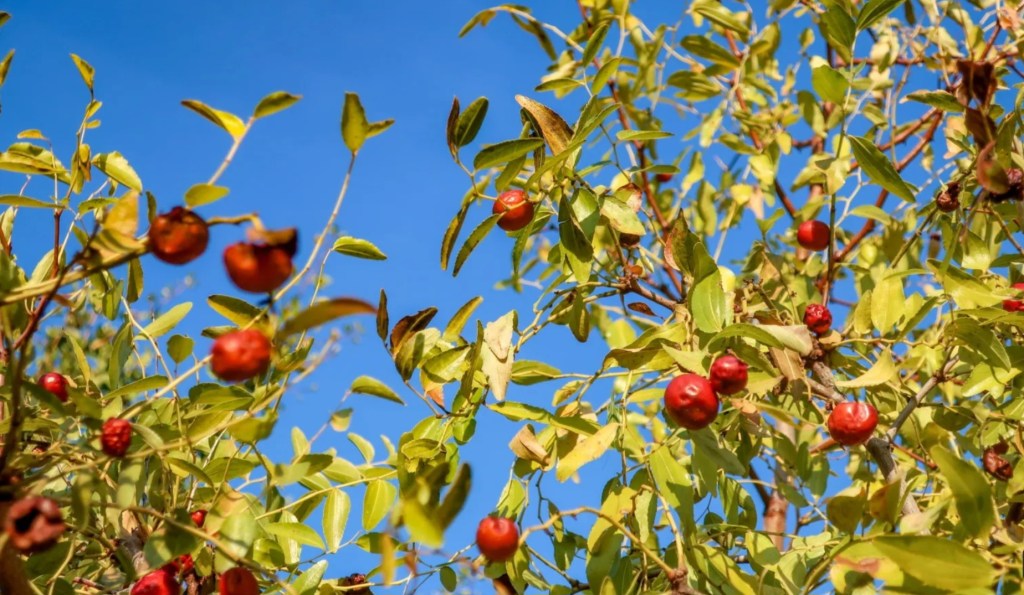
After seeing the tree, I bought some Korean donuts at the Lotte World Mall. Some of the donuts were jujube ones! They were all the best, most delicious, freshest donuts I’d ever eaten. The jujubes were similar to raisins, but better. Koreans make quality goods and I couldn’t believe how good their donuts were. I had gotten a box of assorted ones and most of them were sugar-covered.
Swastikas Everywhere…
There were many signs that to a Westerner looked like Nazi swastikas! I was often shocked when I’d see them. It’s a reflex. But these signs were on temples and they meant a Buddhist temple was in that spot, because the “reversed” swastika is the symbol for Buddhism. Of course, I hadn’t known this before I went to Korea. Canadian people are always completely astonished when they see my photos from Korea with this symbol on the temple buildings.
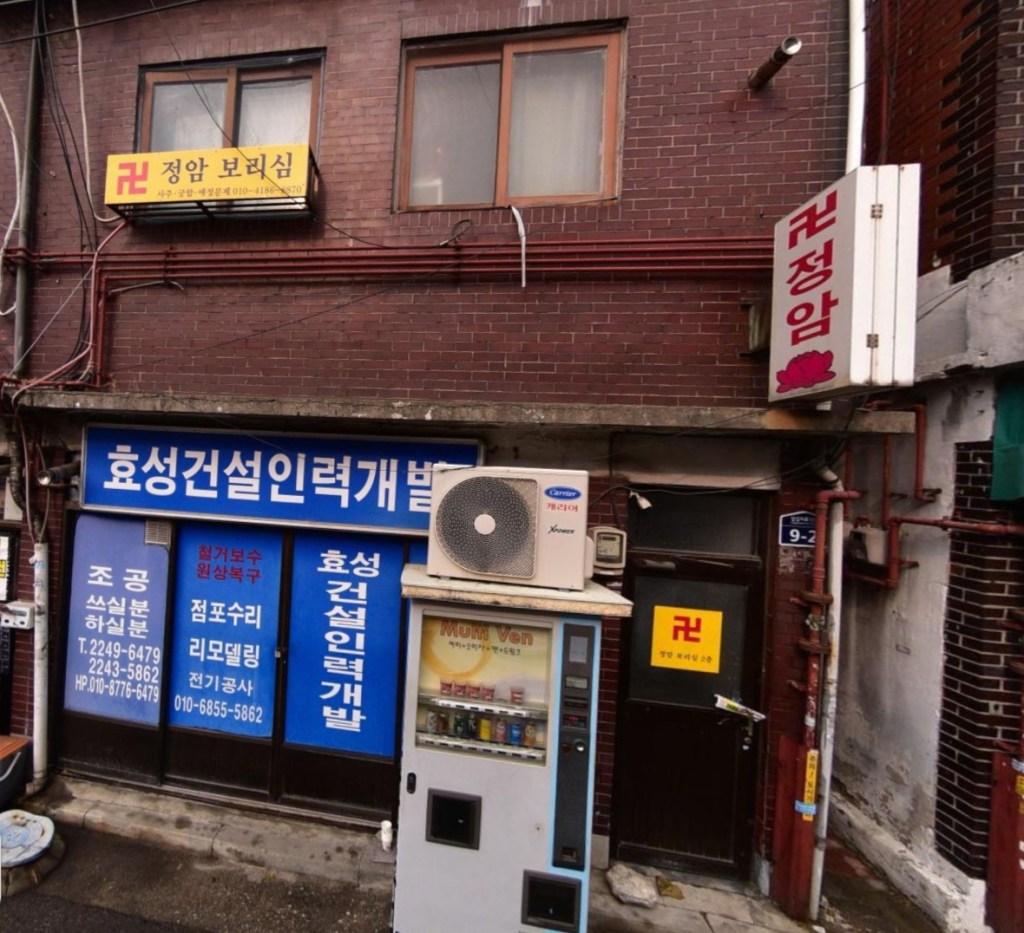
(Photo:NaverMaps)
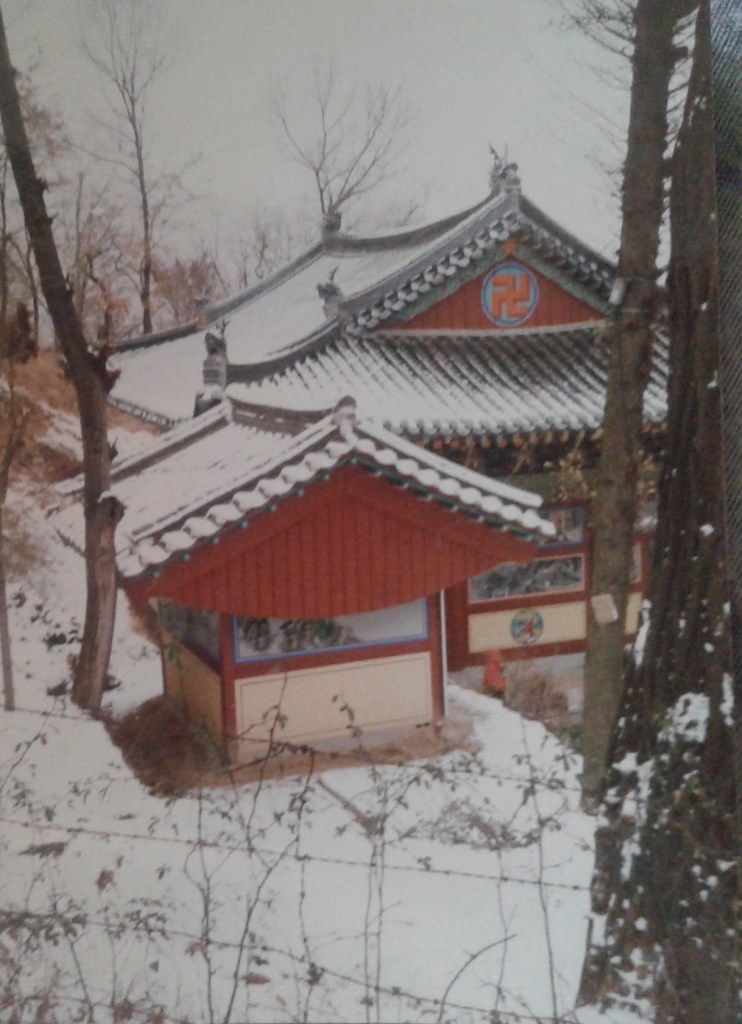
(Photo:JCorvec)


Leave a Reply