(Photo:AdobeStock)
Squid…
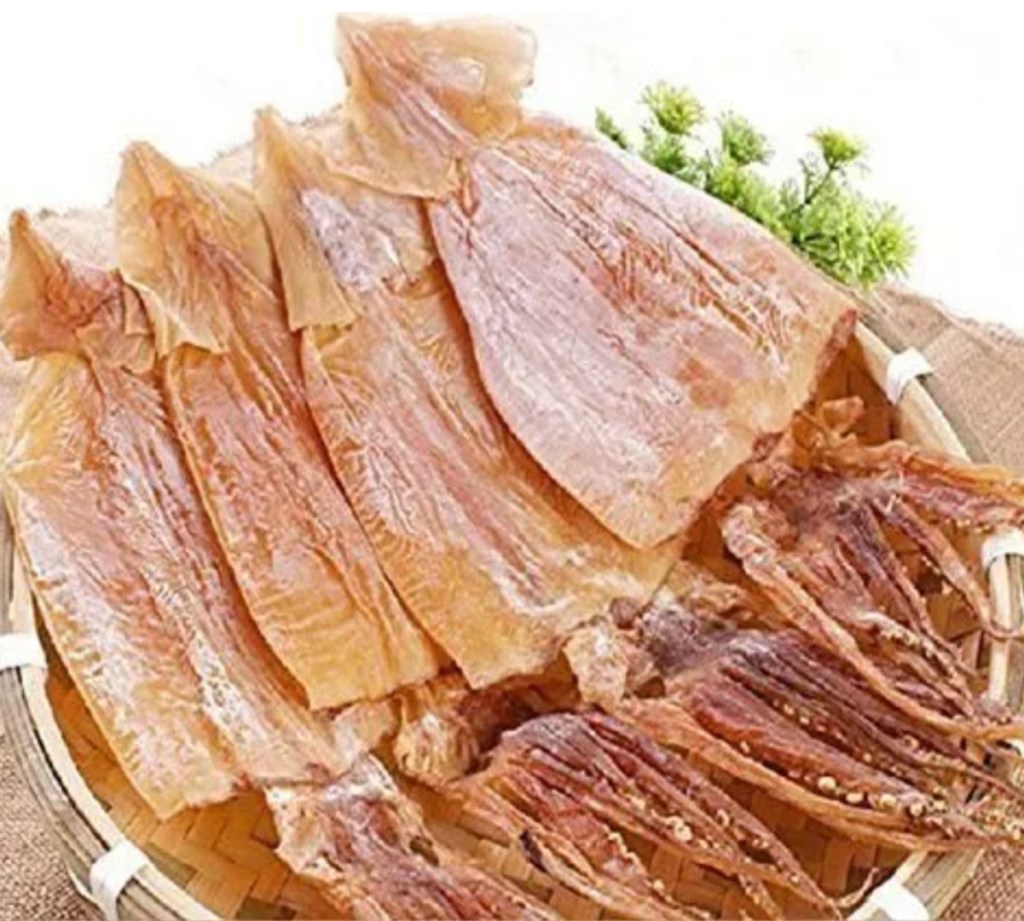
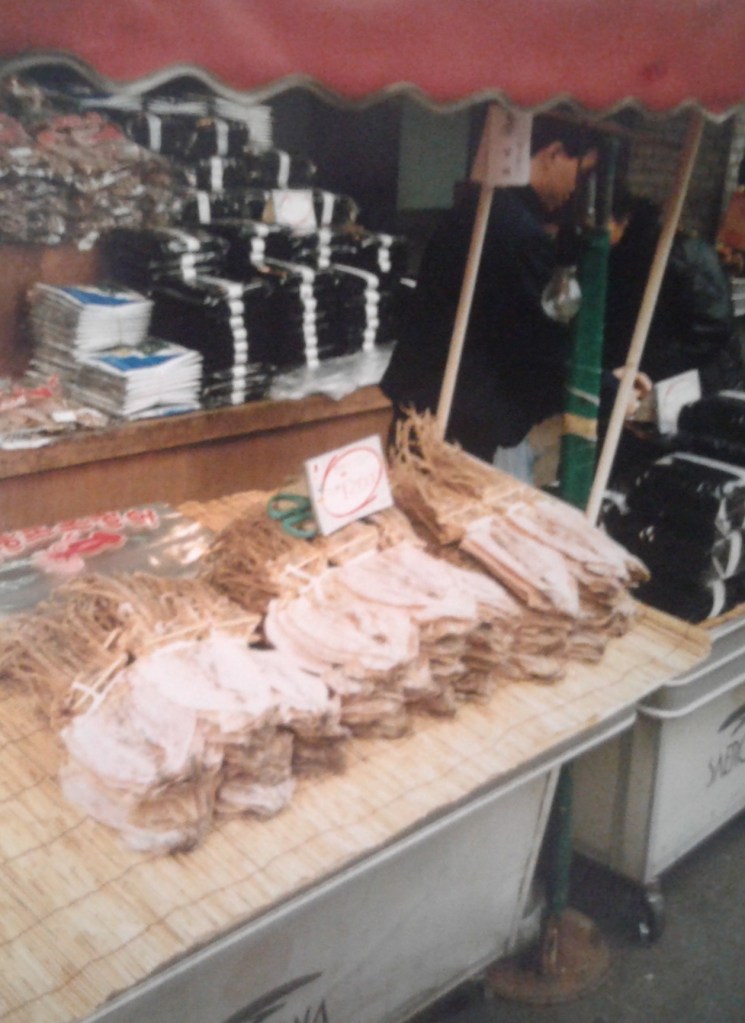
In Canada, there are no squid. In Korea they have them in abundance. A fellow teacher told me that earlier in 1997, before I got there ìn September, she’d often see a Korean person walking down the street carrying a dried squid, chewing on it. She said dried squid were everywhere and everybody was eating them. The season for fishing squid must have been in the summertime. I’ve seen famous pictures of rows and rows of squid hanging, drying beside the sea. If you don’t know, I will tell you – squid are extremely tough and hard to eat because of that. I don’t order calamari in restaurants because I believe it will be too hard to eat it. Maybe it sounds strange, but onè time iin Korea, I tried raw squid with hot, chili peppper sauce and it was one of the most delicious things I’ve ever eaten, honestly. I remember that squid were called o-jing in their language.
When a student from my LG class brought my husband and me to a TGIF Restaurant in January 1998, one of the dishes we shared together was squid pieces cooked in pancake batter. That was a common dish back then. But I had a funny, hard piece of something in my mouth while I was eating. I couldn’t chew it or swallow it. I tried to find out fom my student what it could be and he said it was a squid’s eye!
(Photo:JCorvec)
Moving…
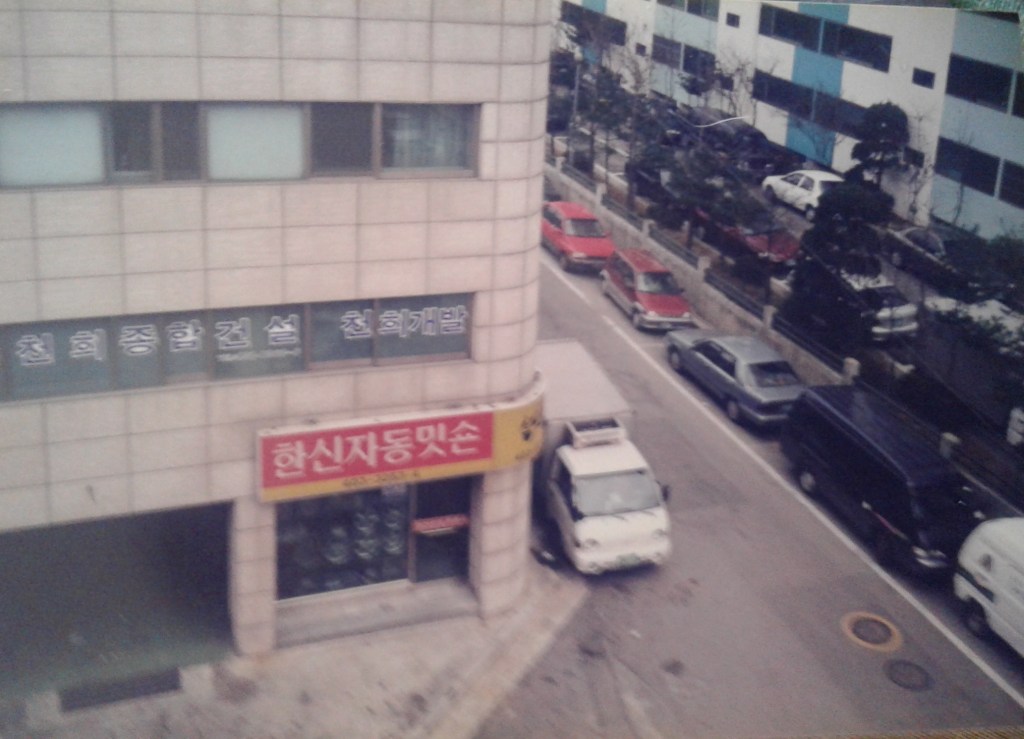
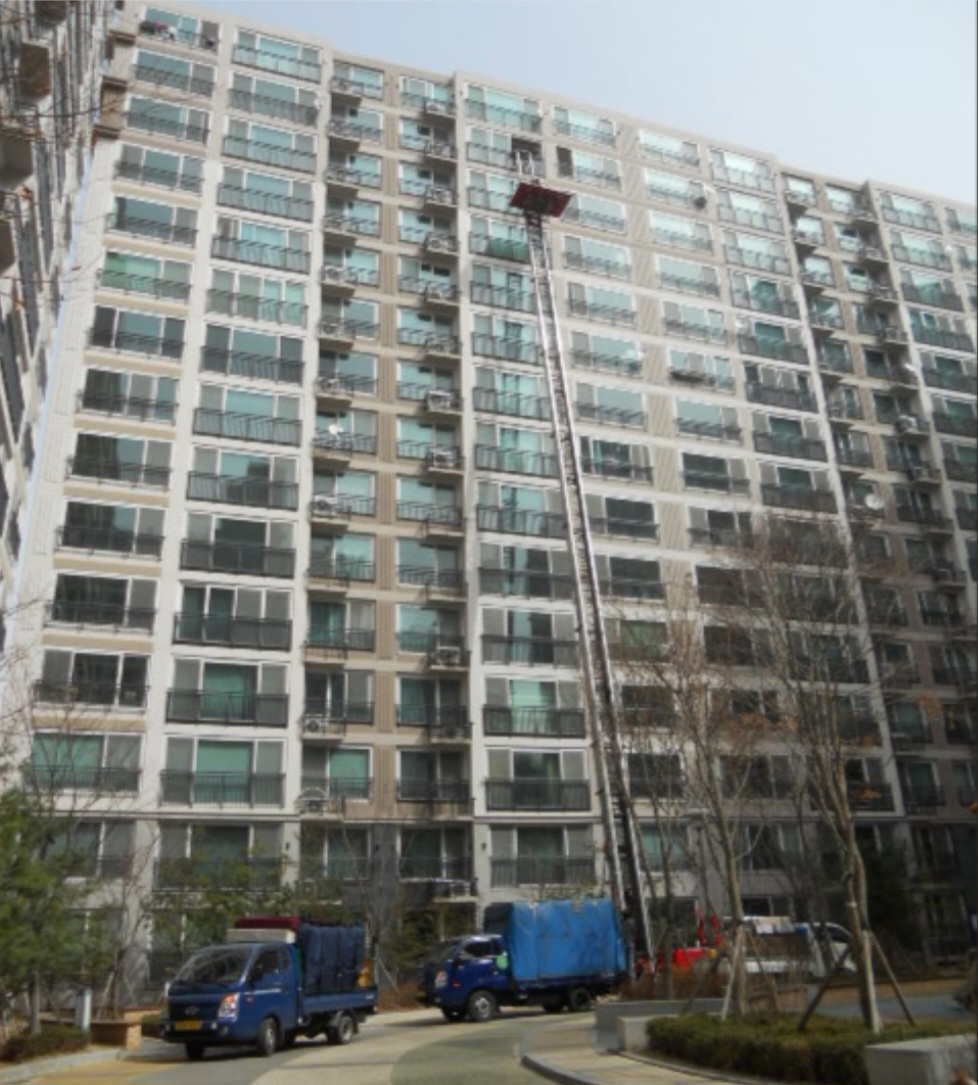
The photo below shows my area of Garak-dong. The blue and white apartment buildings are where I saw a “lift” truck moving furniture up into a window that was up high. The Koreans did everything so sensibly and efficiently that I couldn’t believe it.
(Photo:r.reddit.com/stumptowngal)
Blood Sausage…
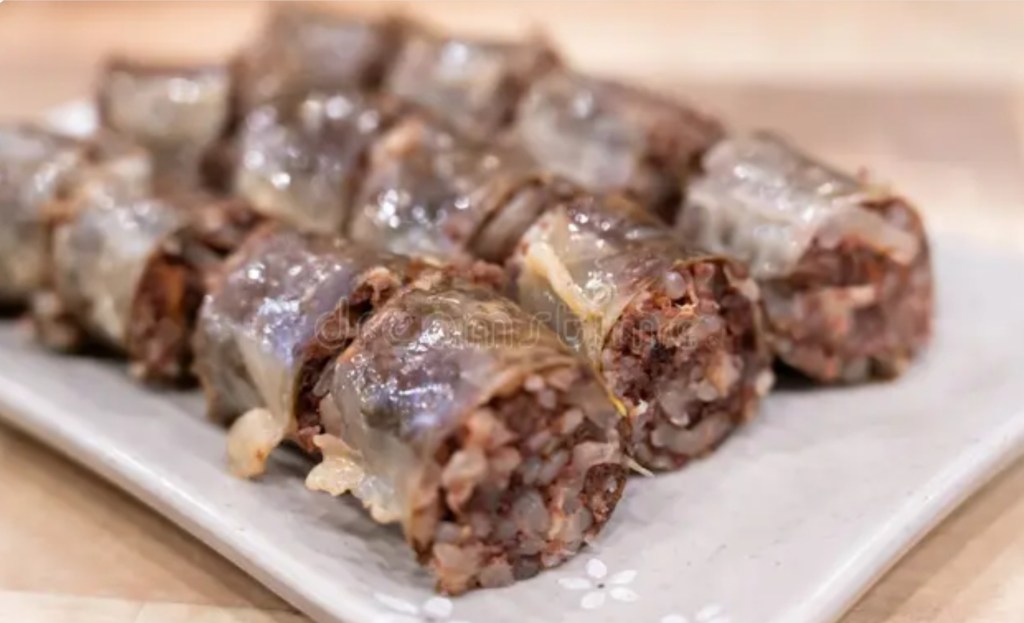
In my city in Canada, we had different meats that were considered to be disgusting or backwards by young people when I was a child. Now, I never hear of them being sold. One type is “cow’s tongue”, which is an actual (big)cow’s tongue that a person would slice. My parents bought one once. The other type of meat is “blood sausage”. My family never bought any and I’d heard it was pig intestines. I thought it sounded terrible. However, in Korea they ate blood sausage. It was served at the 2 cafeterias I ate at for my L.G. and Anam classes. I took the trays and always ate the food. A few times blood sausage was the entree and there were little bowls of kimchi, rice and soup on my cafeteria tray too. And it wasn’t bad at all!
(StockPhoto:Dreamstime)
Sleep Rooms and Bath Houses…
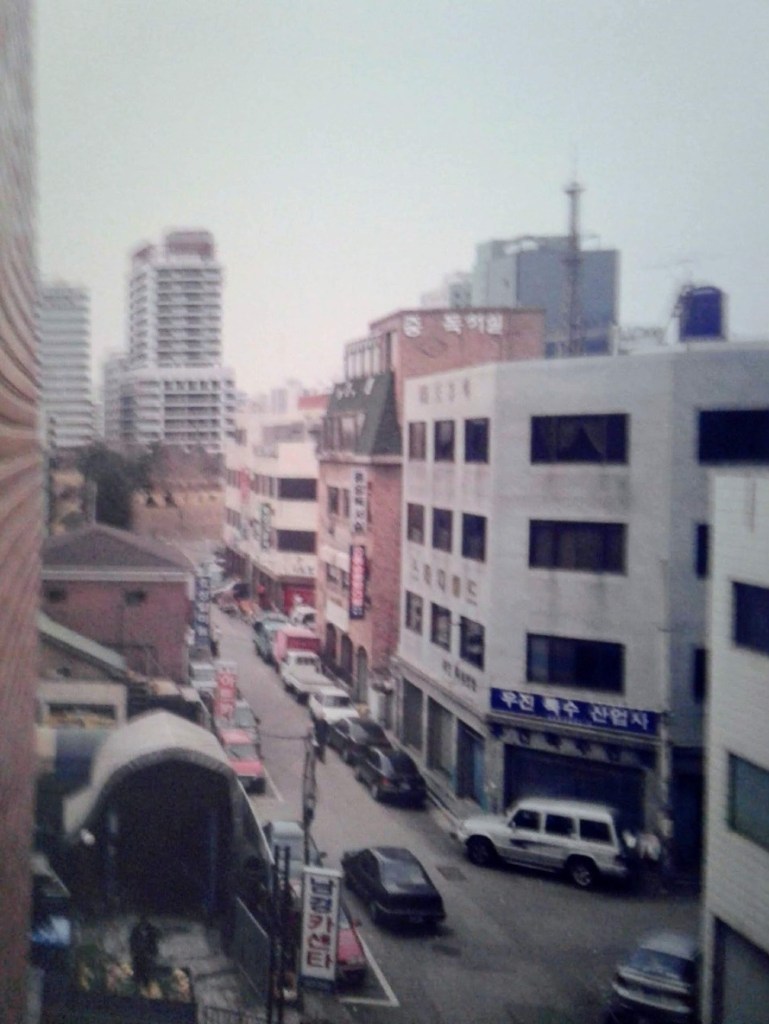
A student told me there was a business in one of these buildings on the street behind my institute where you could pay them a few dollars for a place to lie down and sleep or to at least rest or study for a few hours. These places were commonly used because people worked or studied so much that they didn’t get enough sleep. Working or studying for many hours was why everybody slept on the subway. I was even sleeping while I was on the subway on most afternoons after 3 months of teaching in Seoul, even though I had always stayed alert while travelling before. I have seen “study cafes” recently but I don’t know if these pay-to-rest businesses still exist nowadays.
(Photo:JCorvec)
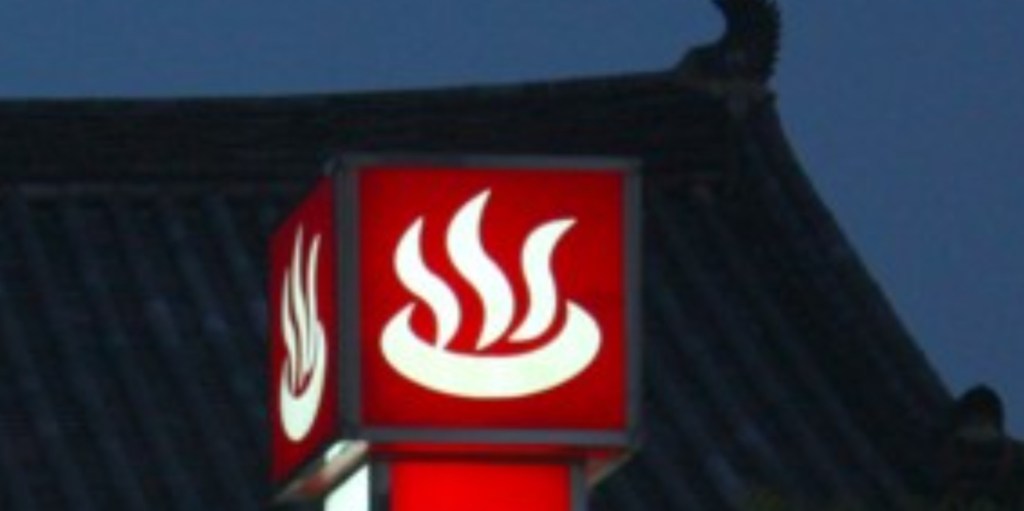
I think I was also told that there was a bath house somewhere in these buildings as well. I never went to a bath house because it was a bit scary to me to not have the privacy of a shower in my own bathroom. Now, there are many “saunas” or spas, where you can have massages and skin treatments, etc, but I think bath houses in the 90’s were simply public places to just bathe. Women and men went to separate bath houses, and you were seen naked by others while you bathed. One of my students told me that towels were supplied to you but there were rituals and things you needed to know about and follow if you went. Signs with the bathing or sauna symbol were very common while I was in Seoul. Today the old wooden “public bath house” signs I used to see everywhere have changed and they are usually neon ones.
Garlic Stems…
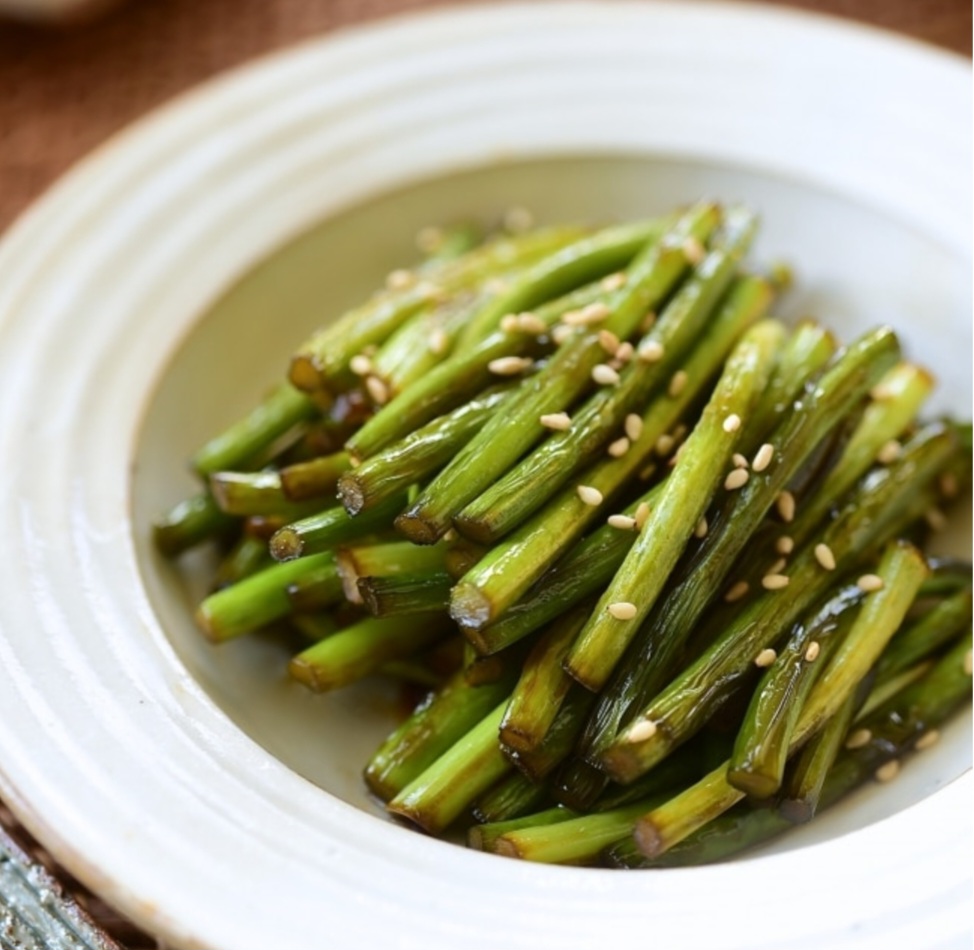
One day I asked some Korean people in our basement dining room what a certain food was, and they told me it was “garlic stems”. How I loved those fried, sliced garlic stems I used to eat at my building in Seoul. In my area of Canada, in our grocery stores, we never see the whole garlic plant at all, so we can’t access the stems in order to eat them. And we don’t usually grow our own garlic in Canada, unfortunately.
Mini Minivans…
When my husband came to visit me in January 1998, one of my students wanted to bring us to lunch in Seongnam. Seongnam was a satellite city in the late 90’s but it’s a real city now. I remember getting into his vehicle – he told us it was a minivan but since vehicles in Korea couldn’t be too big, he bought a “mini minivan”! It really was! They were actuallly called microvans.
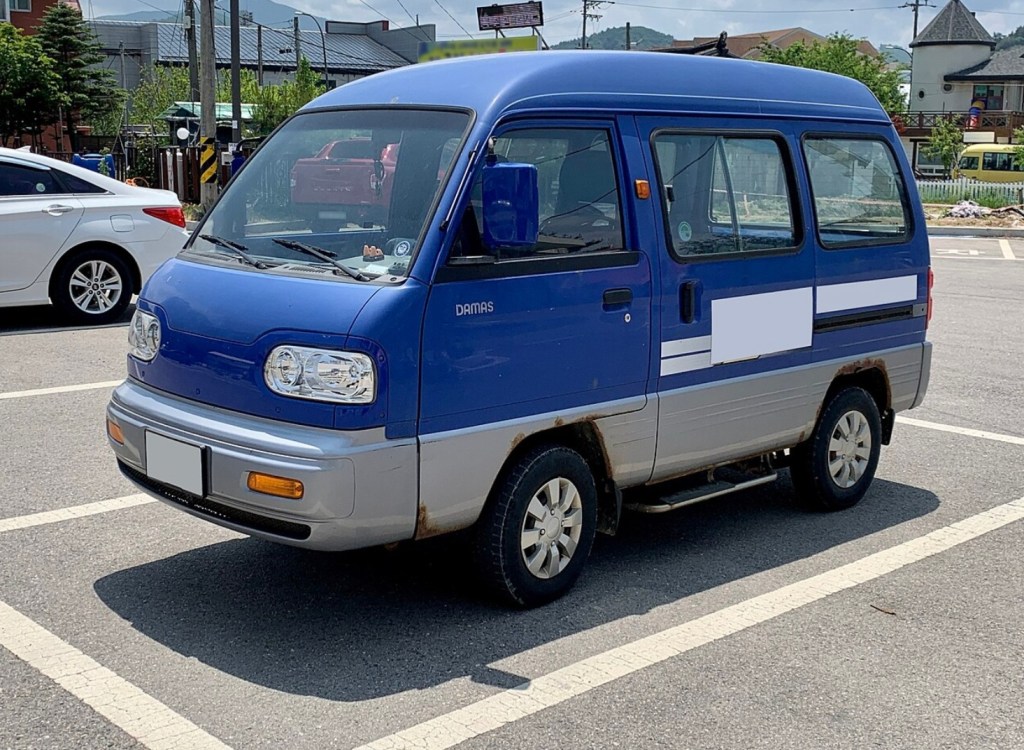
(ko.wikipedia.org/DaewooDamas)


 My Memories of Seoul
Leave a comment